Culture
Foshan Mingjia Tool & Die Co., Ltd. is a professional metal stamping die manufacturer located in Foshan, China. Founded in 2010, the company specializes in the design and production of custom metal stamping dies, serving a wide range of industries including automotive, home appliances, electrical hardware, industrial equipment, and precision sheet metal applications.
Our core product portfolio includes automotive stamping dies, progressive dies, transfer dies, stator and rotor stamping dies, electrical lamination dies, deep drawing dies, prototype tooling, and sheet metal stamping parts.
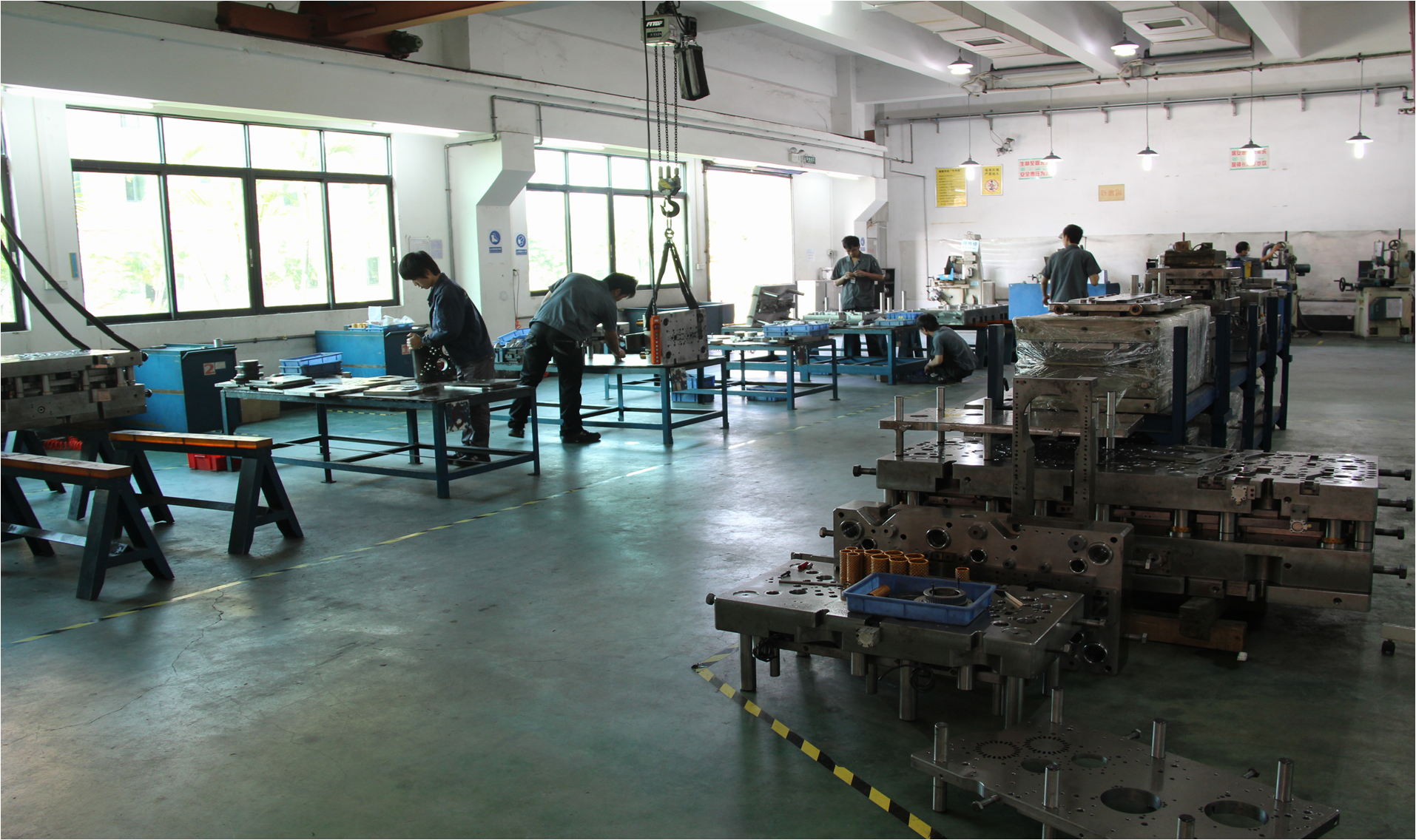
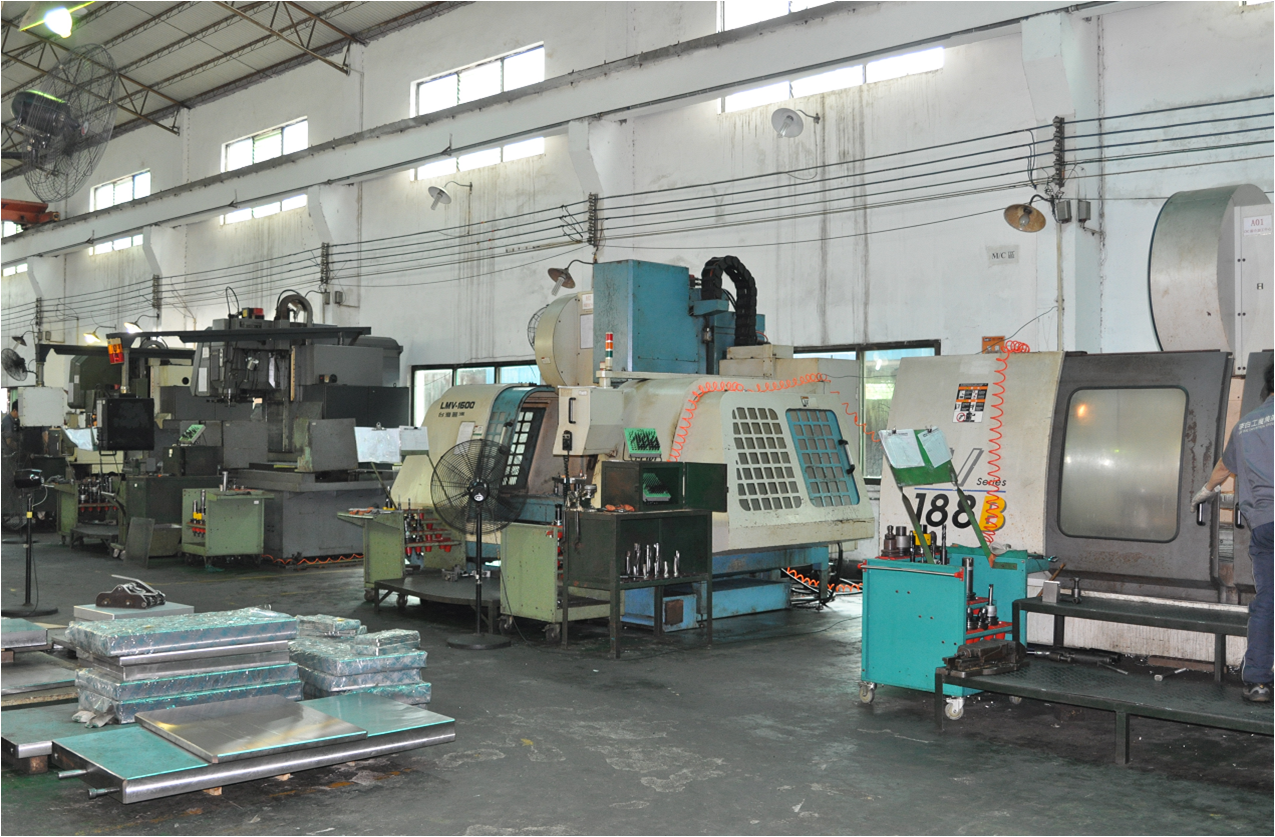
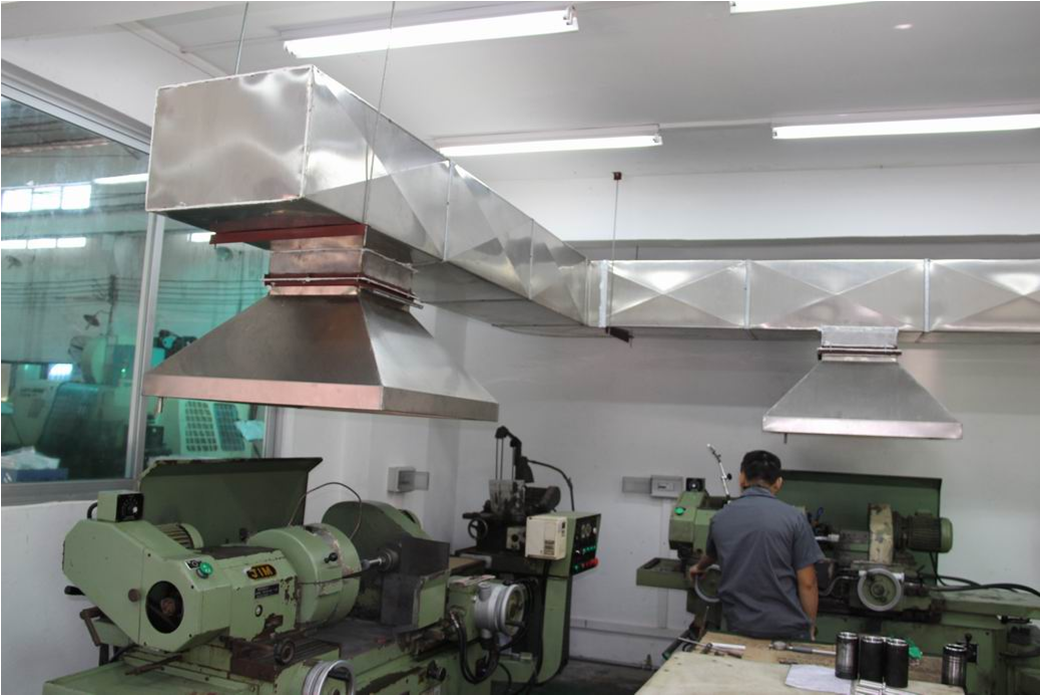
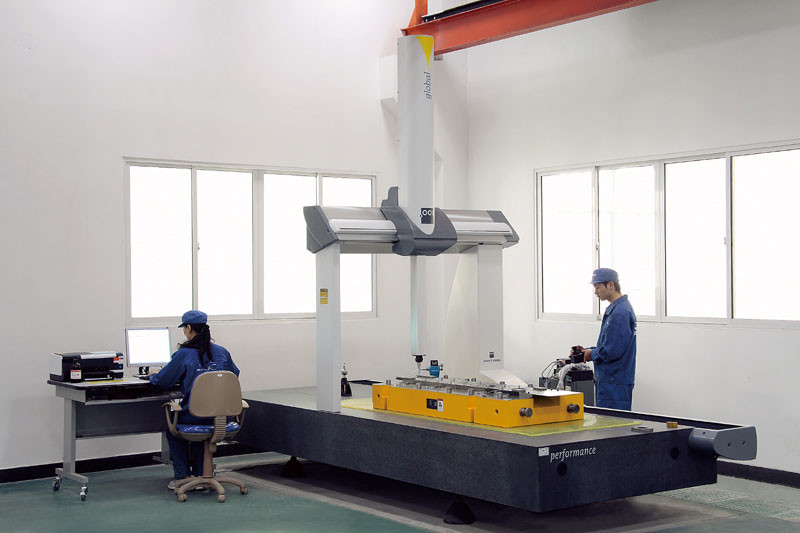
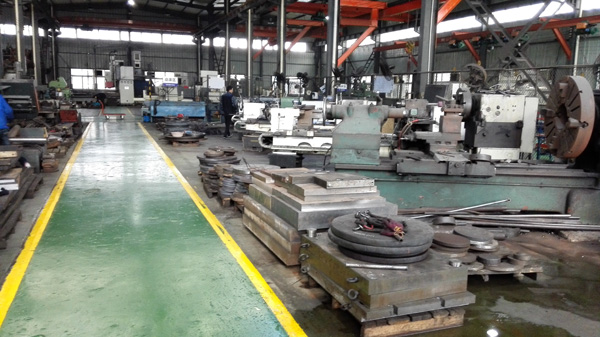
With a modern 4,000-square-meter manufacturing facility, Mingjia provides fully integrated tooling solutions—from engineering review and die design to CNC machining, assembly, tryout, sample validation, and dimensional inspection. This complete in-house capability allows us to maintain strict control over quality, lead time, and engineering precision throughout every project stage.
Quick Company Snapshot
- Founded: 2010
- Location: Foshan, China
- Manufacturing facility: 4,000 m²
- Certifications: ISO 9001, IATF 16949
- Press capacity: 45T – 800T
- Full process capability: design, machining, assembly, tryout, inspection
Core Business Scope
Foshan Mingjia Tool & Die Co., Ltd. provides both tooling development and stamped part manufacturing services. Our main offerings include:
- Custom metal stamping dies
- Automotive stamping dies
- Progressive dies and transfer dies
- Prototype dies and soft tooling solutions
- Deep drawing dies for complex formed parts
- Sheet metal stamping parts and pilot production
- Die tryout, debugging, and dimensional inspection support
We focus on delivering stable, repeatable, and production-ready tooling solutions that meet both prototype validation and mass production requirements.
Manufacturing Capability
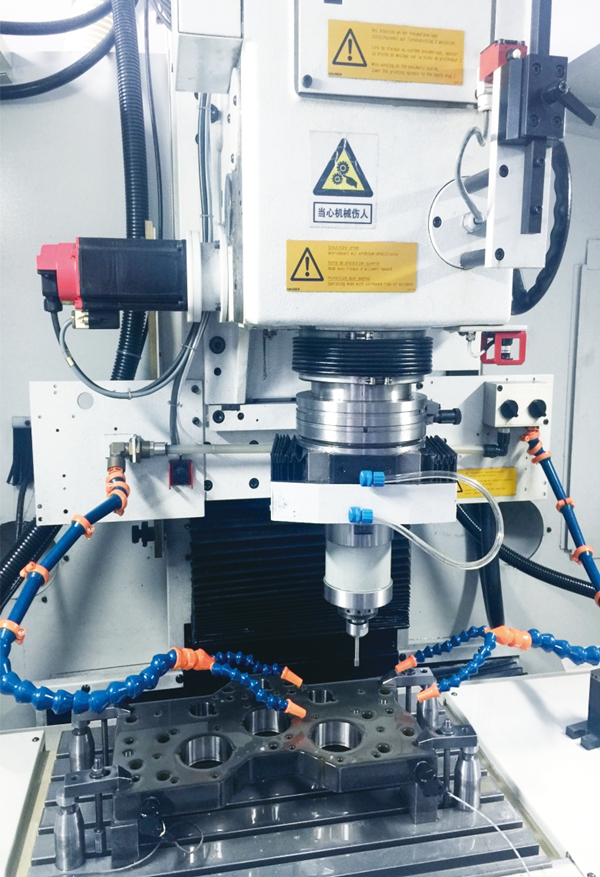
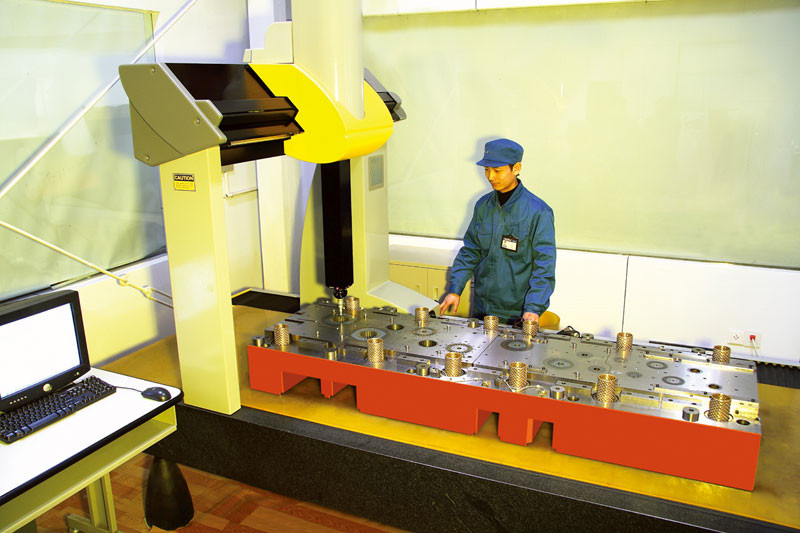
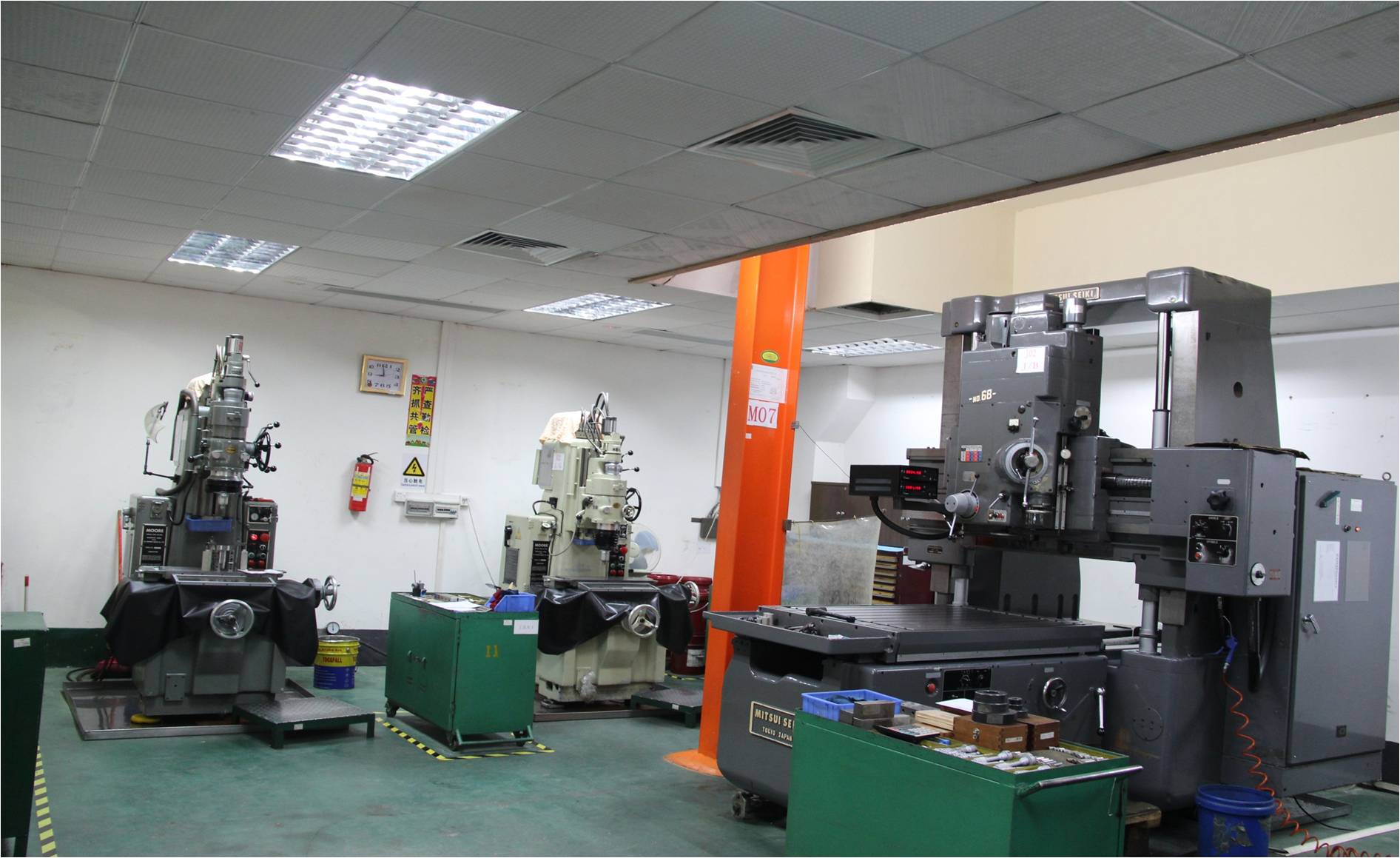
Foshan Mingjia Tool & Die Co., Ltd. operates a fully integrated in-house manufacturing system covering the entire die production workflow, including:
- CAE forming analysis and feasibility evaluation
- 3D die structure design and engineering optimization
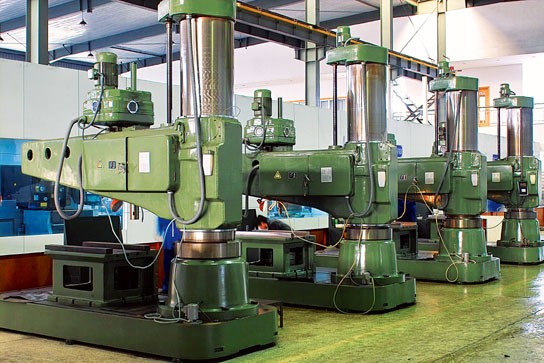
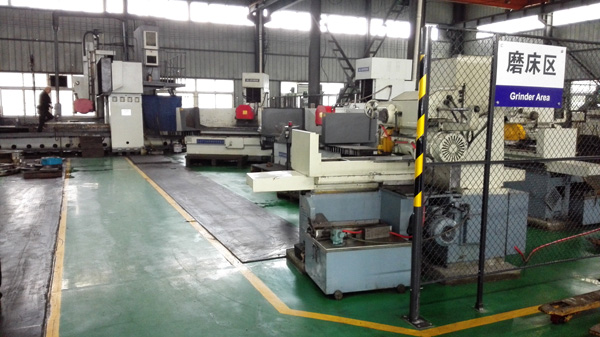
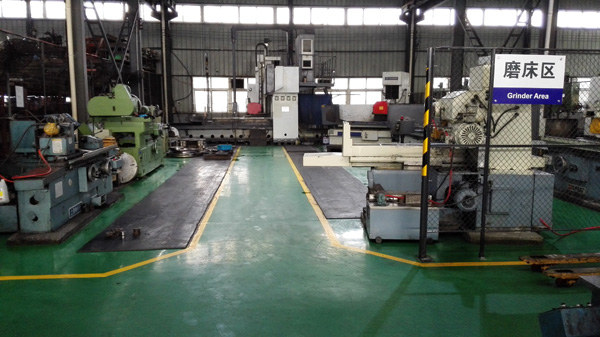
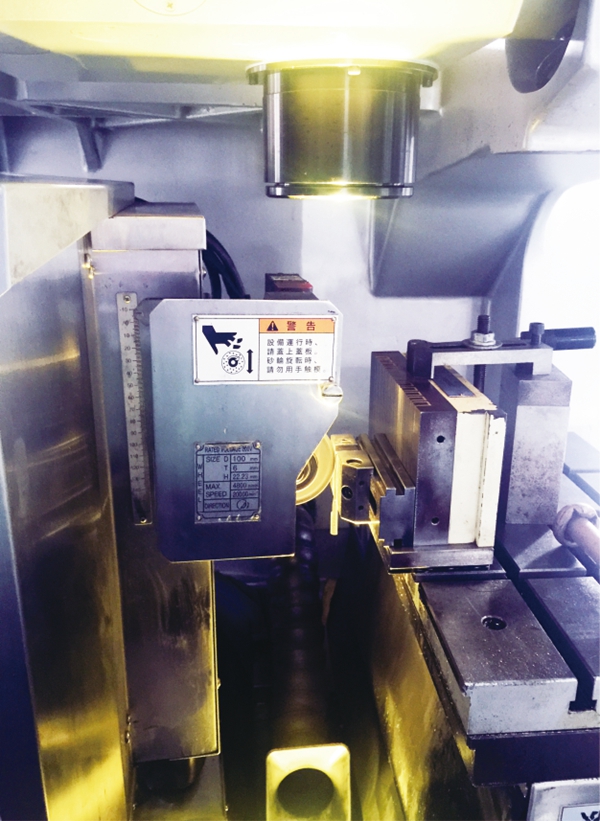
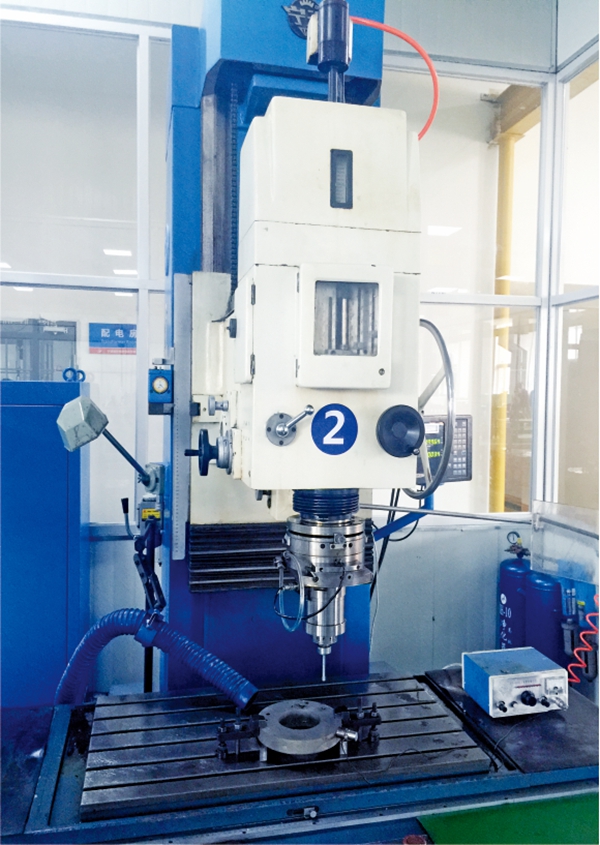
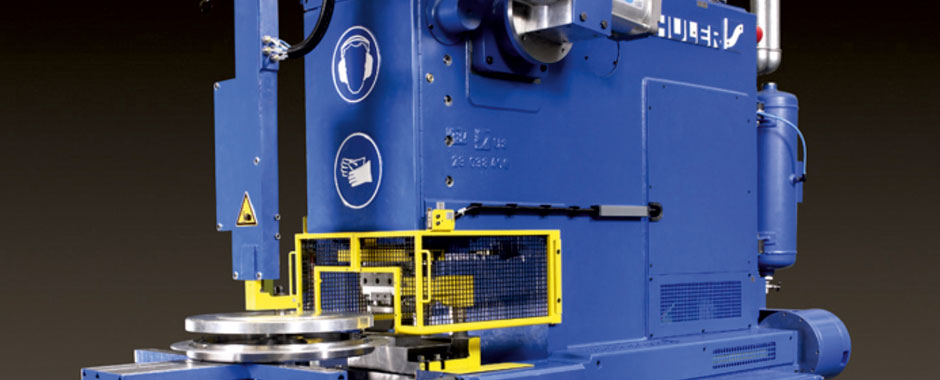
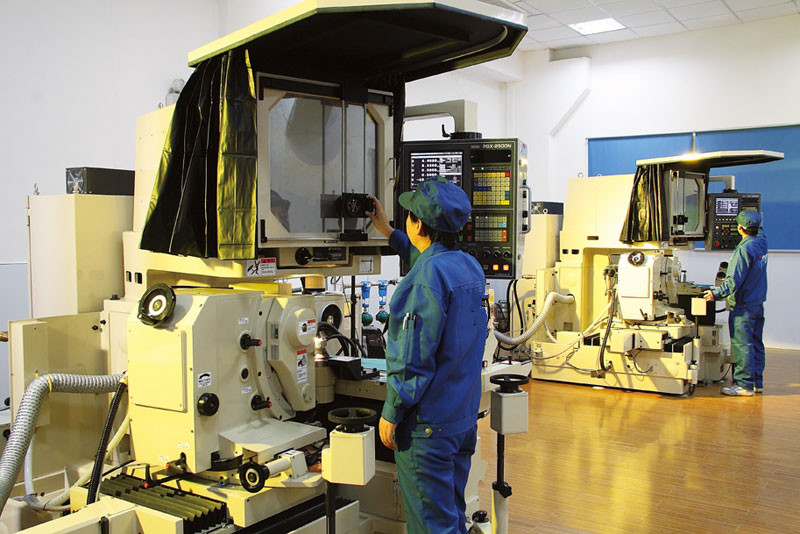
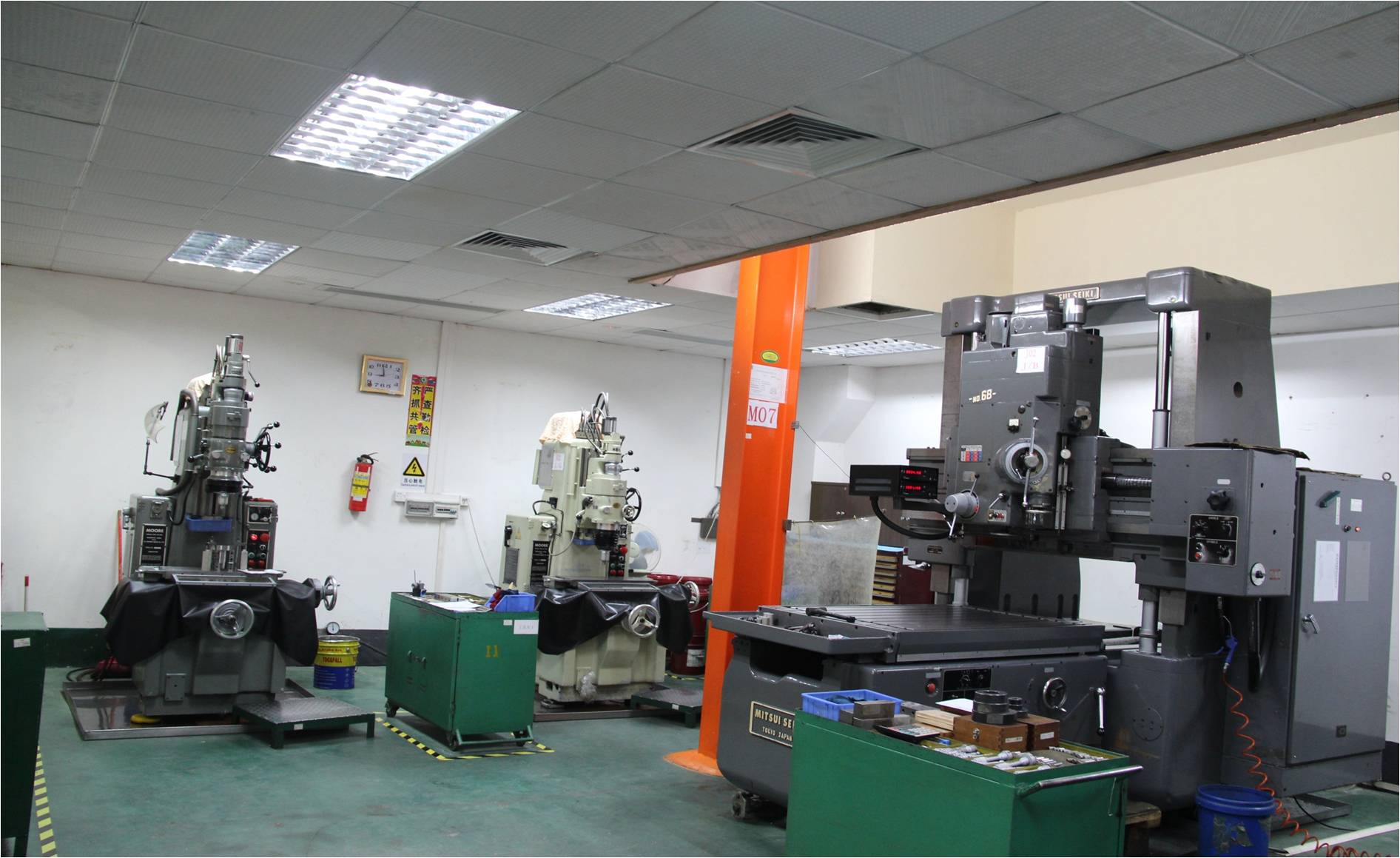
- CNC machining, milling, grinding, and wire cutting
- Welding, heat treatment coordination, and precision fitting
- Die assembly, spotting, and adjustment
- Trial stamping and process validation
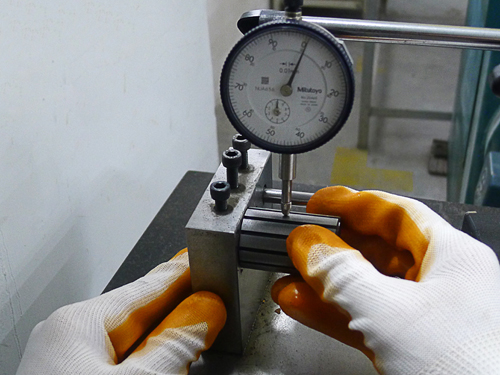
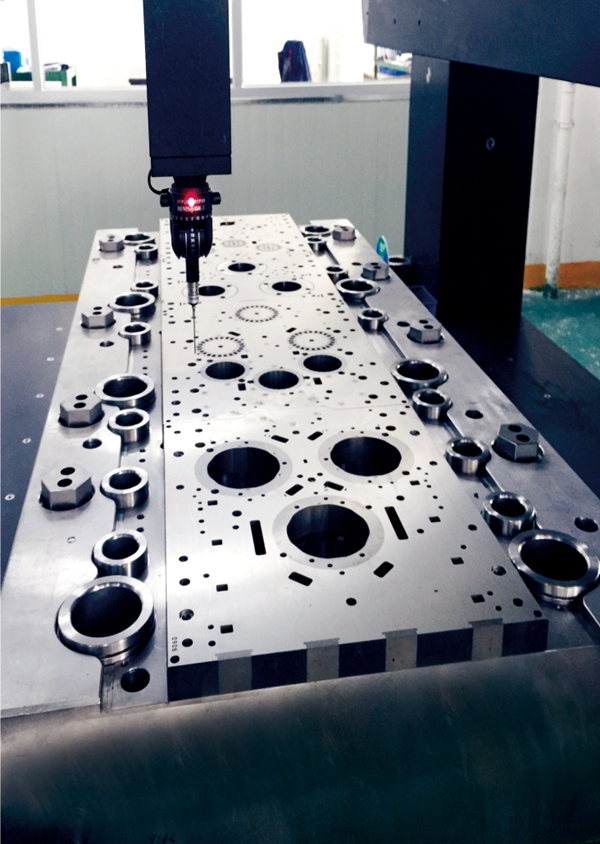
- Sample measurement and dimensional inspection
Our press machines range from 45T to 800T, enabling us to conduct real forming tests under production-like conditions. This ensures that every die is verified for performance, stability, and repeatability before delivery or mass production release.
By integrating engineering and manufacturing within one system, we significantly reduce communication delays, improve response speed for engineering changes, and enhance overall project reliability.
Industry Insight: Why Integrated Manufacturing Matters
In stamping die development, many project delays are caused by fragmented workflows—where design, machining, tryout, and inspection are handled by different suppliers. This often leads to miscommunication, inconsistent quality standards, and extended correction cycles.
An integrated manufacturer like Foshan Mingjia Tool & Die Co., Ltd. can eliminate these inefficiencies by ensuring that:
- Engineering feedback is immediately transferred to production
- Tooling adjustments are executed without external coordination delays
- Tryout issues are resolved quickly within the same team
- Dimensional corrections are verified in real time
This is particularly important for automotive and precision electrical components, where forming accuracy, repeatability, and delivery timing directly impact downstream production stability.
Win-Win Cooperation & Corporate Culture
The operating philosophy of Foshan Mingjia Tool & Die Co., Ltd. is built on the principle of mutual trust, cooperation, and shared success. We believe that every manufacturing project is not a one-time transaction, but a long-term value collaboration involving customers, suppliers, and internal teams.
In the stamping die industry, success depends on the coordination of multiple factors, including engineering design accuracy, material stability, machining precision, assembly quality, and responsive communication during tryout and validation. Only when all participants in the value chain work in alignment can a project achieve stable quality and predictable delivery.
We therefore emphasize open communication, transparent technical feedback, and responsible execution at every stage of cooperation.
Supplier Partnership Philosophy
Suppliers are an essential part of our production ecosystem. Foshan Mingjia Tool & Die Co., Ltd. maintains a practical and trust-based supplier management approach focused on long-term stability rather than short-term cost advantage.
We implement a clear and consistent payment principle:
supplier payments are generally settled on the 10th day of the following month.
This structured payment cycle ensures:
- Stable cash flow for suppliers
- Predictable financial planning for partners
- Reduced cooperation uncertainty
- Stronger long-term trust relationships
We do not intentionally delay payments, and we prioritize honoring commitments as part of our operational discipline.
Value Created Through Supply Chain Stability
This supplier-friendly cooperation model enables us to build a more stable and efficient supply chain. In return, we benefit from:
- More reliable material sourcing
- Faster response from key processing partners
- Better availability of tooling components
- Improved consistency in machining quality
- Reduced project interruption risks
These advantages directly translate into better outcomes for our customers, including:
- More stable tooling delivery schedules
- Improved cost control across projects
- Higher consistency in die performance
- Faster response to engineering modifications
- Stronger overall project reliability
Continuous Improvement Culture
Foshan Mingjia Tool & Die Co., Ltd. is committed to continuous improvement in both technical capability and management systems. We focus on:
- Enhancing die design accuracy through engineering feedback loops
- Improving machining precision through upgraded equipment and process control
- Strengthening inspection standards to ensure dimensional stability
- Optimizing internal communication for faster project execution
- Building a more professional and responsive technical service team
We believe that long-term competitiveness in the tooling industry comes from continuous refinement rather than one-time innovation.